
Red Treasures, Christmas Pleasures
POSTED ON 22/12/2012It doesn't seem that long ago that I first visited The Sampler and tried out its pioneering dispenser, the Enomatic. For next to no cost, you could taste a range of wines by sticking your Oyster-style card in a machine which dispensed a tasting glassful of the wine in question. It was such a no-brainer that many other excellent wine merchants followed suit, among them Vagabond Wines at Fulham Broadway, Bottle Apostle in north London and the extraordinary new temple to fine wine, Hedonism Wines in Mayfair.
Dreaming of a Whites Christmas
POSTED ON 15/12/2012Food and wine matching is neither an art nor a science and much of the time it can be taken with a decent pinch of salt. It was brought home to me having recently returned from China where restaurant customers knocked back their wines that Western sommeliers would demand marriages for in heaven. No one dish resembles another. Our own likes and dislikes apart, the quality of the raw materials, the seasoning, saucing and spicing, are simply too varied to suit a one-wine-fits-all formula.
A Walk on the Wine Side
POSTED ON 08/12/2012A taste of wine is worth 100 ads. So it proved with the wine walks which are consistently one of the most popular features of the Wine Gang’s Christmas tastings in London, Edinburgh and Bath. Groups of 10 wine consumers go walkabout with a member of the Wine Gang, stopping at different exhibitors to taste and talk about a wine. The interaction gives everyone the chance to taste wines normally outside their comfort or shopping zones and it gives the five members of the Wine Gang invaluable feedback as to consumer preferences.
Putting the Fizz into Christmas
POSTED ON 01/12/2012I was chatting to a wine industry luminary last month who told me that they’d accepted the presidency of the International Wine & Spirit Competition thinking that it was the International Wine Challenge. IWSC? IWC? A simple enough mistake to make and a reminder that even those in the know can get confused now that medals are scattered like confetti and wine competitions two a penny.
Christmas Food and Drink Special Wines
POSTED ON 17/11/2012BEST PARTY RED
Under £10
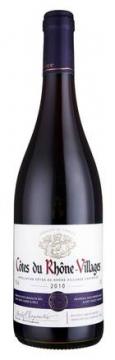 Taste the Difference Côtes du Rhône-Villages
2010 Taste the Difference Côtes du Rhône-Villages
This classic southern Rhône blend from the charismatic Rhônemeister Michel Chapoutier punches above its not inconsiderable weight with an invitingly spicy aroma and huge dollops of vibrant blackberry fruit supported by a lively, textured succulence. £6.99, Sainsbury's
Splash out
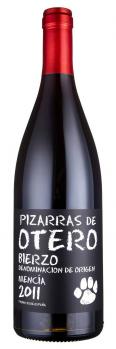 Pizarras de Otero
Palmas
POSTED ON 10/11/2012The Four Palmas
An invitation to join in the blending of González Byass’ new Palmas range doesn’t come along every day, so when Martin Skelton, who heads up the UK office,, invited me, it didn’t take me long to say yes, yes please even. Imagine a game-loving monarchist being invited on a shoot at Balmoral with the Queen. Maurizio González Gordon, who runs the traditional family Jerez firm of González Byass, is sherry royalty, so the opportunity to join in the blending was not to be missed.
 Antonio Flores
Going Clubbing
POSTED ON 03/11/2012It’s a measure of how far it’s come since Tony Laithwaite hawked his wares in a Ford van that Laithwaites felt bold enough to put a selection of fine wines into its autumn wine tasting. Starting out as Bordeaux Direct, Laithwaites is part of the Direct Wines empire that includes the Sunday Times Wine Club, Avery’s and virginwines.com. It must have been a tricky decision because ‘fine wine’ can be a no-no for value seekers. And Laithwaites has always prided itself, often with good reason, on value.
Spanish Gold
POSTED ON 20/10/2012After Nacho Manzano’s divine beetroot gazpacho soup at Ibérica in Marylebone, I was excited to see what David Muñoz, the boyish chef of two-Michelin star DiverXO in Madrid, could do. Muñoz was invited as Manzano’s guest to cook dinner at the new Ibérica in Canary Wharf. In the hands of anyone less talented, a dish like crisp oxtail sandwich with baby eel, jalapenos and finger lime, or potsticker Shanghai of pitu Caleya with its own broth, sea urchin, chipotle chilli and shitake, might seem pretentious.
The Bunch - The Joy of Six
POSTED ON 13/10/2012Chatting to Patrick Sandeman at The Bunch’s autumn press tasting, it was beyond anyone’s worst nightmare that this most genial, talented and popular of wine merchants would lose his life in a horrific skydiving accident just over a week later. A fixture of the London wine scene, Patrick, with his partner Charles Lea, transformed Lea & Sandeman’s single Fulham shop into one of London’s most impressive retailers, its wines selected for quality, flavour and personality.
Vorsprung Durch Discount
POSTED ON 06/10/2012It’s an ill wind as they say and the economic climate of recent years has blown benignly for the big German discounters, Aldi and Lidl. With over 1000 stores in the UK between them, Aldi (461) and Lidl (600) have both seized on a gap in the market for attracting new customers to their everyday low price models. As cogs in the wheels of two bigger leviathans, they’re in a great position to pare overheads, and consequently prices, to the bone. The prize is the number of ABC1 yummy mummies sashaying into their car parks in their 4 by 4s.

